Faculty
Laura Hercher
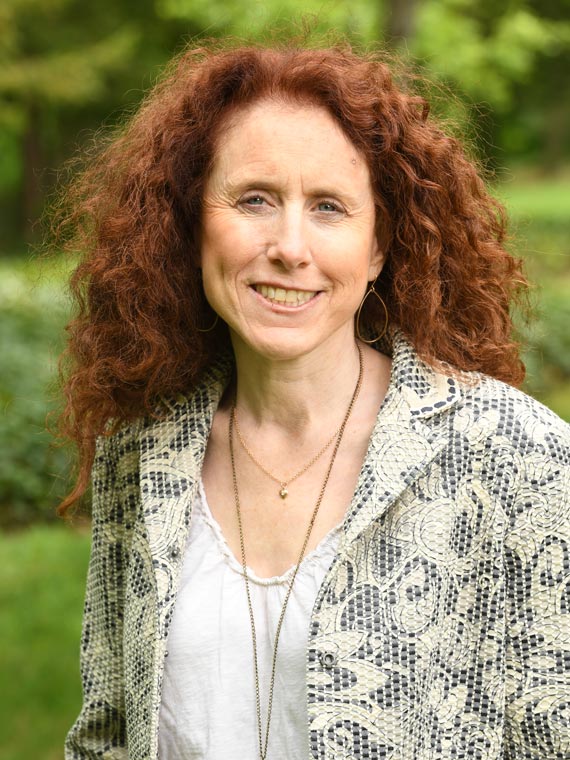
Laura Hercher
Graduate Program
Director of Research, Human Genetics
BA, Colgate. MA, Columbia University. MS, Sarah Lawrence College. In addition to coordinating all of the student research projects, she is also the director of the Ethics course and is facilitator of our Current Events/Monday Afternoon Discussion series. Laura is the co-founder of and regular contributor to The DNA Exchange, as well as host of the podcast The Beagle Has Landed. SLC, 2004–
Graduate Courses 2026-2027
Master of Science in Human Genetics
-
Seminar—Spring
GENE 7362
This course will cover the principles of medical ethics and their application in the field of genetic counseling. The significance of current and historical examples of eugenics and how past abuses affect the clinical practices of genetic medicine today will be explored. Through a combination of lecture and discussion, the course will review hot-button issues such as abortion, “designer babies,” and genetic engineering. The course will also cover legal and ethical dilemmas with specific relevance to genetics, including genetic discrimination, the genetic testing of minors, and the extent of a genetic clinician’s responsibility to biological relatives.
Faculty
-
Thesis—Spring
GENE 7440
The goal of the thesis project is twofold: provide students with the skills necessary to do high-quality, ethical research and develop genetic counselors who are careful and effective consumers of scientific literature. Thesis projects take many forms, including surveys, focus groups, development of educational materials, and analysis of existing data sources of and for patients, genetic counselors, and other health care providers.
Faculty
-
Thesis—Fall
GENE 7411
The goal of the thesis project is twofold: provide students with the skills necessary to do high-quality, ethical research and develop genetic counselors who are careful and effective consumers of scientific literature. Thesis projects take many forms, including surveys, focus groups, development of educational materials, and analysis of existing data sources of and for patients, genetic counselors, and other health care providers.
Faculty
Previous Courses
Master of Science in Human Genetics
-
Graduate Seminar—Year
Every student in the Joan H. Marks Human Genetics Program is required to complete a capstone experience and submit a manuscript documenting the experience or project to fulfill the requirements for obtaining a master’s degree in Human Genetics from the Graduate Studies division of Sarah Lawrence College.
Faculty
- Sara Gilvary
- Anne Greb
- Laura Hercher
-
Graduate Seminar—Fall
Direct-to-consumer genetic testing is a fast-growing and expanding marketplace. Many assume that DTC options will play a big role in integrating genetics into society, for better and worse. Historically, clinical providers of genetic medicine have cast a cold eye on the commercial companies selling unmediated access to genetic testing, as have government regulators. Today, most positions are more nuanced and the types of testing that are on offer are more varied. Using lecture, case studies and guest speakers, we will examine a variety of the tests and modes of access often lumped together in the DTC bucket, and consider the risks and benefits of online access to genetic testing, the regulatory options, and the role that genetic counselors should play in pre- and post-test counseling for DTC results.
Faculty
-
Seminar—Fall
GENE 7352
This course will cover the principles of medical ethics and their application in the field of genetic counseling. The significance of current and historical examples of eugenics and how past abuses affect the clinical practices of genetic medicine today will be explored. Through a combination of lecture and discussion, the course will review hot-button issues such as abortion, “designer babies,” and genetic engineering. The course will also cover legal and ethical dilemmas with specific relevance to genetics, including genetic discrimination, the genetic testing of minors, and the extent of a genetic clinician’s responsibility to biological relatives.
Faculty
-
Graduate Seminar—Spring
The Research Methods course serves as an introduction to the thesis process, which culminates in the writing of a thesis manuscript in the second year. Students are encouraged to become better consumers of the scientific literature—including the use of search engines, a reference program, and critical reading skills—in the construction of a literature review as a first step toward study design and publication. The course includes a review of qualitative and quantitative research models, development of surveys, focus groups and questionnaires, and the basics of data analysis and working in SPSS.
Faculty
-
Graduate Seminar
Direct-to-consumer genetic testing is a fast-growing and expanding marketplace. Many assume that DTC options will play a big role in integrating genetics into society, for better and worse. Historically, clinical providers of genetic medicine have cast a cold eye on the commercial companies selling unmediated access to genetic testing, as have government regulators. Today, most positions are more nuanced and the types of testing that are on offer are more varied. Using lecture, case studies and guest speakers, we will examine a variety of the tests and modes of access often lumped together in the DTC bucket, and consider the risks and benefits of online access to genetic testing, the regulatory options, and the role that genetic counselors should play in pre- and post-test counseling for DTC results.
Faculty
-
Seminar—Fall
GENE 7390
Direct-to-consumer (DTC) genetic testing is a fast-growing and expanding marketplace. Many assume that DTC options will play a big role in integrating genetics into society, for better or worse. Historically, clinical providers of genetic medicine have cast a cold eye on the commercial companies selling unmediated access to genetic testing, as have government regulators. Today, most positions are more nuanced, and the types of testing that are on offer are more varied. Using lecture, case studies, and guest speakers, we will examine a variety of the tests and modes of access often lumped together in the DTC bucket and consider the risks and benefits of online access to genetic testing, the regulatory options, and the role that genetic counselors should play in pre- and post-test counseling for DTC results.
Faculty
-
Thesis—Fall
GENE 7410
The goal of the thesis project is twofold: provide students with the skills necessary to do high-quality, ethical research and develop genetic counselors who are careful and effective consumers of scientific literature. Thesis projects take many forms, including surveys, focus groups, development of educational materials, and analysis of existing data sources of and for patients, genetic counselors, and other health care providers.
Faculty
-
Thesis—Spring
GENE 7450
The goal of the thesis project is twofold: provide students with the skills necessary to do high-quality, ethical research and develop genetic counselors who are careful and effective consumers of scientific literature. Thesis projects take many forms, including surveys, focus groups, development of educational materials, and analysis of existing data sources of and for patients, genetic counselors, and other health care providers.
Faculty